
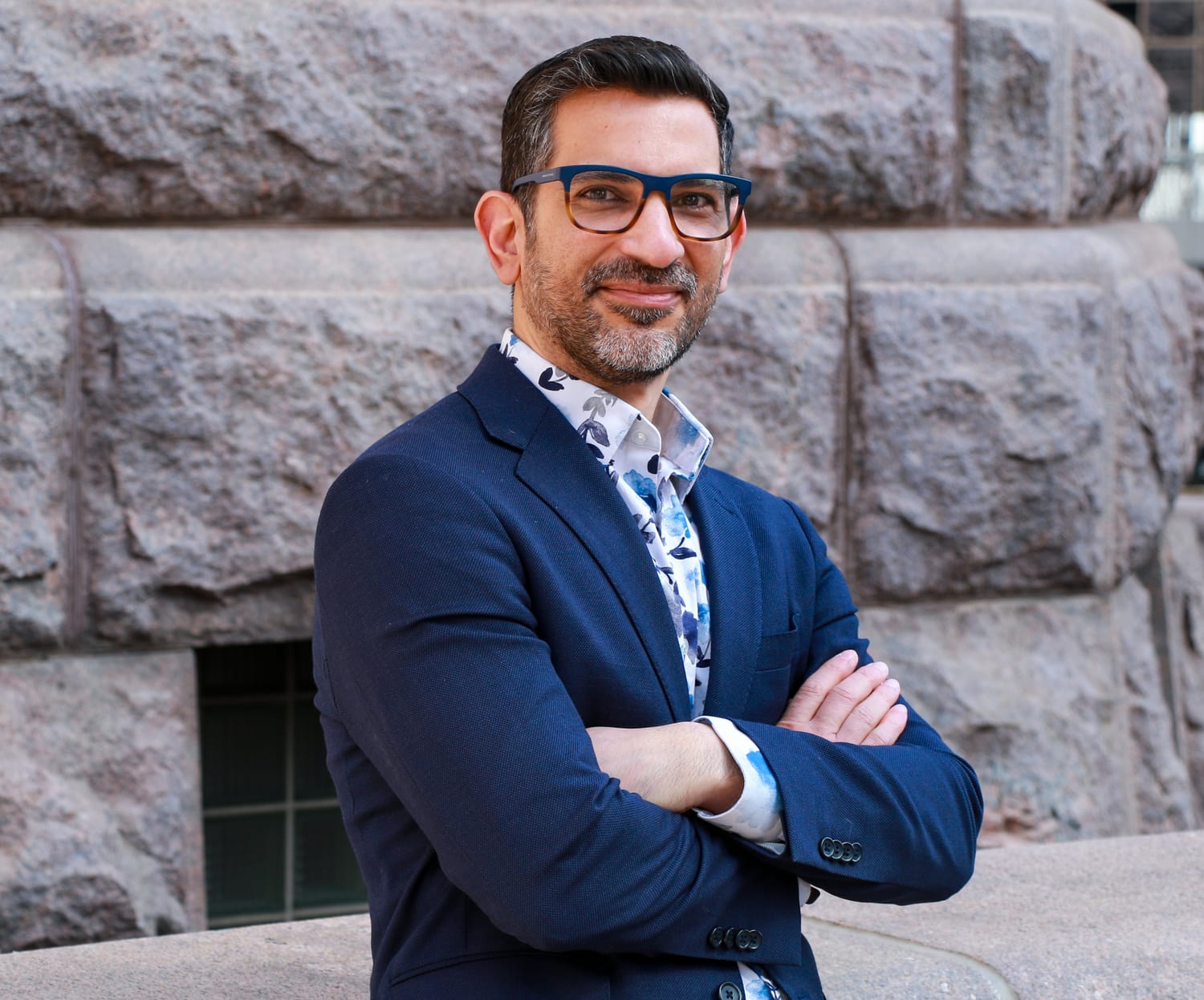
Enrique Velázquez
Speaker, Coach, Founder, People-First Leadership OS
I didn’t set out to build a leadership operating system. I set out to understand why talented leaders keep choosing the wrong thing—and what it takes to stop.
From an early age, I learned that leadership is not about standing above people. It is about how you show up for them. Growing up in military communities and later leading globally in high technology and municipal government taught me that you do not stand apart from the people you serve; you are accountable to them.
That belief has shaped my work ever since. I help leaders build organizations where people feel seen, valued, and empowered to contribute their best thinking, rather than reduced to a job description, an output, or a line on a spreadsheet. I have seen firsthand what happens when systems choose optics, liability, or revenue over people, and I have also seen what is possible when leaders choose dignity, trust, and shared purpose instead.
Leadership across sectors, systems, and communities
For more than 27 years, Enrique has led in high-pressure environments where trust, accountability, and human dignity matter. His leadership journey includes 17 years in global technology and 10 years in municipal government, during which he progressed from working manager to department head and now serves as Director of Regulatory Services for the City of Minneapolis. Across both private- and public-sector settings, his work has centered on building high-trust teams, leading through complexity, and proving that people-first leadership can strengthen both culture and results.
That experience extends beyond formal executive roles. Enrique has served in elected school board leadership, nonprofit leadership, higher education advisory work, and public speaking, including at TEDxDuluth. He has also taught graduate-level leadership and organizational courses as an adjunct professor, bringing the same people-first principles into academic settings that he applies in the field.
Enrique holds an MBA from Crown College and a BS in Business Administration from American Intercontinental University. He holds a certificate from the Harvard Kennedy School, is Maxwell Leadership certified, and is a graduate of the ICMA Gettysburg Leadership Institute.
“Many of us have felt the difference between a room where we have to perform and a room where we are safe enough to be real.”
—Enrique Velázquez ·TEDxDuluth
The work begins with trust, honest reflection, and a conversation about what kind of leadership your moment requires.
You may be in the right place if . . .
If leadership has started to feel heavier, lonelier, more reactive, or farther from your values than you want it to be, you may recognize yourself here.
Constantly firefighting – You spend most of your time reacting, reworking, and managing urgent issues with little space left to think strategically or lead with intention.
Carrying it alone – You hold the emotional weight of staff burnout, conflict, and institutional pressure without a psychologically safe place to process what leadership is costing you.
Stuck in reaction mode – You know the organization needs bigger change. Short-term demands, micromanagement, and constant pressure keep pulling you back into the day-to-day.
Protecting the institution at the expense of people – You feel torn between doing what is right and protecting the system, and you feel pushed to prioritize optics, liability, or politics over human dignity.
Leading in a culture where people feel reduced – You see the people around you are capable and committed, yet the culture treats them like roles, outputs, or resources rather than human beings with judgment, gifts, and insight.
Wanting your leadership to mean something – You are no longer satisfied with chasing targets at the expense of people, and you want to build a legacy rooted in trust, courage, service, and lasting impact.
If even one of these feels familiar, this work may be for you.
My Leadership Journey
I grew up in a military family, where one of my unofficial duties was to represent the best of the United States to our host nations. I spent my childhood watching people—how they showed up in community, how they responded to conflict, and how they cared for one another across borders, beliefs, backgrounds, and experiences. Those early years taught me how to behave, not react; how to listen before I spoke; and how to recognize that individual choices either strengthen or fracture the fabric of community. I learned that you do not stand apart from the places you serve—you are accountable to them.
A defining turning point in my career came during a project that helped bring the first free, democratic election to a developing nation. The project was a success, and we got to watch as people received their first identity cards, which granted them the privilege to vote for the first time in their lives. This was a pivotal moment, one that was met with silence within our organization, where we moved on to the next project, the next revenue target. The response was clear: our culture valued quarterly earnings and meeting sales goals ahead of the impact our work delivered. That was the moment I realized I wanted to focus my efforts on delivering greater impact for communities because it was the right thing to do, not the most profitable.
I moved into the public sector looking for deeper alignment with community, contribution, and shared well-being. What I found was that many people still felt undervalued, underutilized, and minimized to their job descriptions. I began by learning each person’s strengths, story, and quiet gifts, and then connecting those qualities more intentionally to their work. When people were championed, recognized, and invited to contribute their thoughts because their experiences held value, the workplace culture began to shift.
That insight has shaped my leadership ever since. My work is rooted in the belief that people do their best work when they are respected, trusted, and invited to help build the world they are asked to serve. That is the throughline from my childhood in service of the military community, to leadership in high technology and public service, to the work I now do through Velazquez Leadership Studio.
Education and Certifications
My work is grounded in lived leadership experience, strengthened by formal study in business, public leadership, strategy, and organizational development.
Education
MBA, Public and Nonprofit Management, Crown College
BS, Business Administration—Project Management and Finance, American Intercontinental University
Certificate, Strategic Management of Regulatory and Enforcement Agencies, Harvard Kennedy School
Leadership development
ICMA Gettysburg Leadership Institute (2025)
Economic Development Institute, University of Oklahoma (2022)
Maxwell Leadership Certified — Speaker and Coach (2026)
Teaching
Adjunct Professor (2018–2023) — Organizational Leadership, Global Management
How it Works
How we begin
We start with a direct conversation about what leadership demands of you right now—the pressures you carry, the patterns that pull you back into reaction mode, and the gap between the leader you are and the one you want to be. From there, the work moves into the People-First Leadership OS: building clarity, trust, and decision-making capacity so the people around you can do their best work.
What changes over time
Leaders move out of constant crisis response and into a steadier, more intentional way of leading. You become more grounded under pressure, more aligned with your values, and more capable of building teams where respect, psychological safety, and shared accountability are the norm—not the exception. The goal is not perfection. It is leadership that lasts.
Start with a Conversation
If you would rather spend more time with the ideas first, visit the Writing page for essays, reflections, and frameworks on people-first leadership.
Elevate your leadership with executive coaching
Combining people-first philosophy and executive expertise, Enrique Velazquez helps leaders build psychological safety, resilience, and authentic mastery.